Back to news
06.05.2026
gov.kz/moa
Majilis Approves First Reading of Soil Protection Law
The Majilis of the Parliament has approved the first reading of the "On Soil Protection" bill. The legislation establishes a unified legal framework for the management, conservation, and restoration of soil resources, while clarifying the distinction between the terms "soil" and "land." The document outlines the authority of local executive bodies to develop and implement regional action plans for preserving and enhancing soil fertility. It designates key research priorities, mandates the adoption of soil conservation practices (such as minimal and zero tillage, mulching, snow retention, scientifically based crop rotations, and fertilization systems), and introduces measures to prevent the accumulation of hazardous chemicals and restrictions on specific crop cultivation. The law sets requirements to protect against waterlogging, swamping, secondary salinization, depletion, drying, and compaction, and provides for the restoration of degraded lands based on soil and agrochemical surveys. New monitoring tools are introduced, including predictive degradation models, remote sensing data, and artificial intelligence technologies for analyzing and mapping soil conditions.
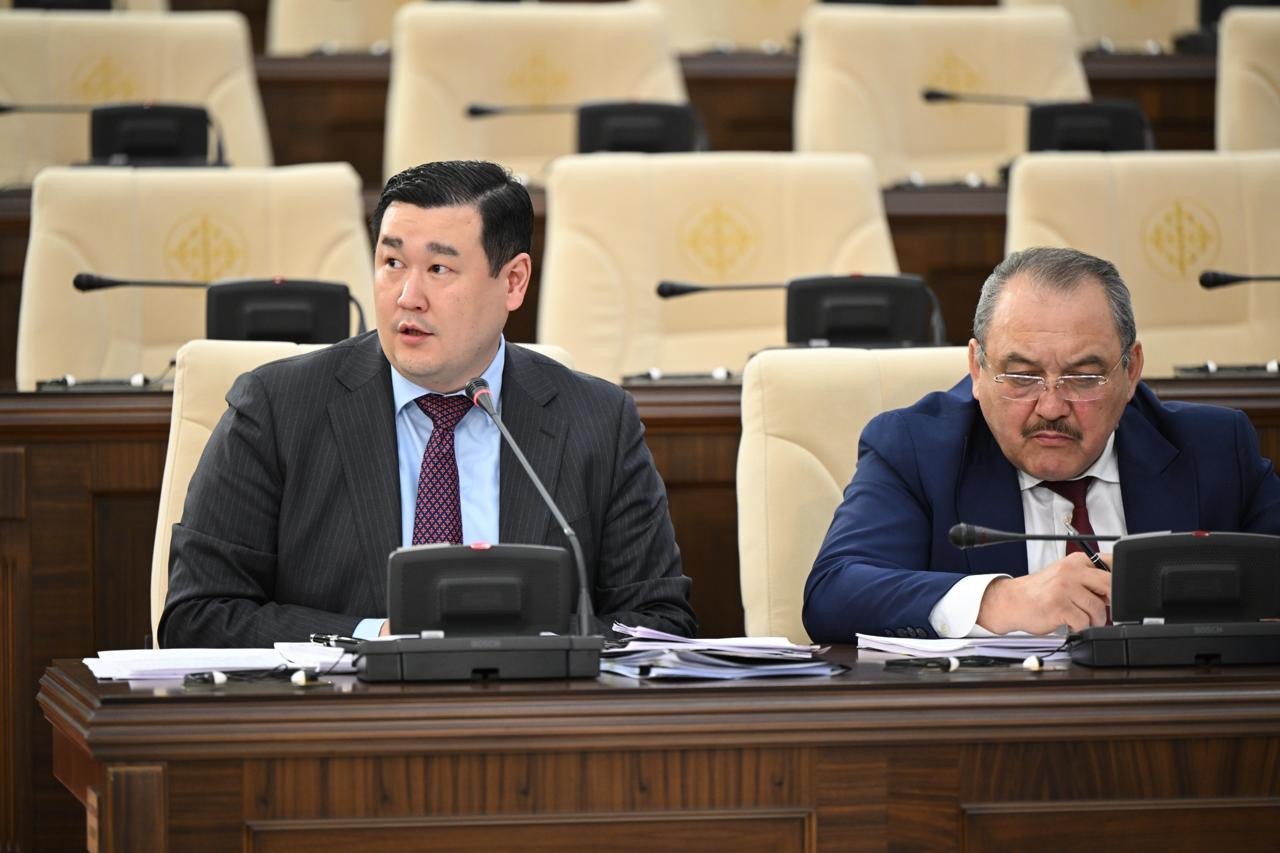
The Majilis of the Parliament has approved the first reading of the "On Soil Protection" bill. The legislation establishes a unified legal framework for the management, conservation, and restoration of soil resources, while clarifying the distinction between the terms "soil" and "land." The document outlines the authority of local executive bodies to develop and implement regional action plans for preserving and enhancing soil fertility. It designates key research priorities, mandates the adoption of soil conservation practices (such as minimal and zero tillage, mulching, snow retention, scientifically based crop rotations, and fertilization systems), and introduces measures to prevent the accumulation of hazardous chemicals and restrictions on specific crop cultivation. The law sets requirements to protect against waterlogging, swamping, secondary salinization, depletion, drying, and compaction, and provides for the restoration of degraded lands based on soil and agrochemical surveys.
New monitoring tools are introduced, including predictive degradation models, remote sensing data, and artificial intelligence technologies for analyzing and mapping soil conditions.