
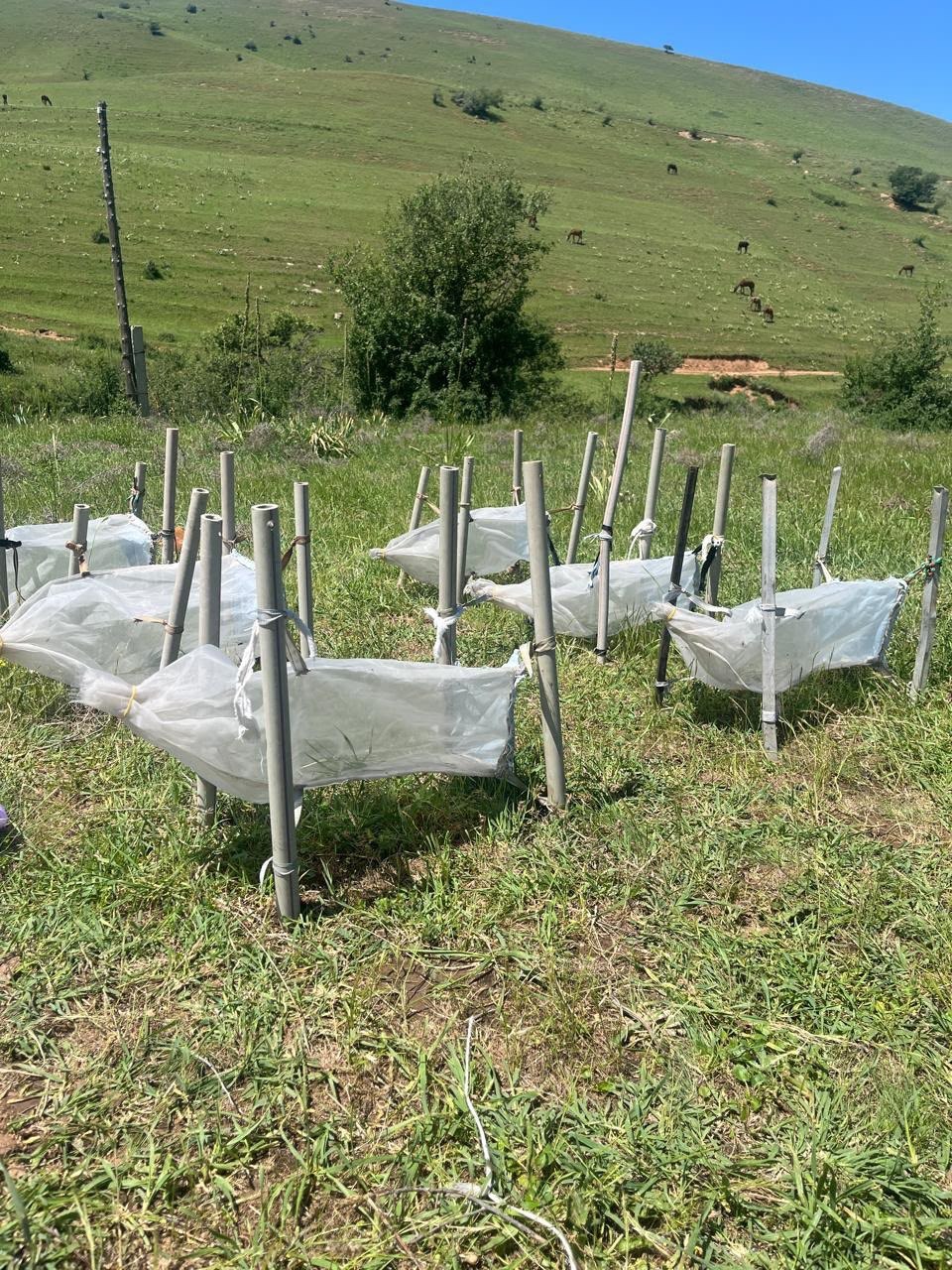
Field trials of a new-generation biological preparation against the Moroccan locust (Dociostaurus maroccanus) have been completed in the Turkistan Region. The agent is based on the entomopathogenic fungus Metarhizium anisopliae. The research was conducted under an international project involving the Kazakh Research Institute of Plant Protection and Quarantine named after Zh. Zhiyembayev and the Institute of Plant Protection of the Chinese Academy of Agricultural Sciences.
The trials took place on pastures in the Kazygurt District. Initial signs of insect infestation were observed on the third day after treatment. By the fifth day, mortality reached 70–80%, and on the ninth day, complete death of all individuals in the experimental groups was recorded. The development is considered an environmentally safe alternative to chemical insecticides.
Plans include expanding trials in various climatic zones of Kazakhstan and preparing recommendations for integrating the technology into the monitoring and control system for locust pests.