
Rosselkhoznadzor Expands List of Suppliers to Brazil
Rosselkhoznadzor has expanded the list of Russian fish product suppliers to Brazil by adding a company from the Primorsky Krai.
Market context
Prepared editorial context for agricultural markets, source signals, policy moves, logistics, and regional commodity flows.
Latest context
Rosselkhoznadzor has expanded the list of Russian fish product suppliers to Brazil by adding a company from the Primorsky Krai.
Rosselkhoznadzor destroyed a batch of Armenian roses due to violations of quarantine rules.
Rosselkhoznadzor identified quarantine objects in imported products from 20 countries, including ragweed, which can harm cultural plants and soil fertility.

On July 14, 2026, China issued Announcement No. 1031 updating plant germplasm export procedures, effective August 1, 2026. Exporters may now use the China International Trade Single Window to monitor approval status.
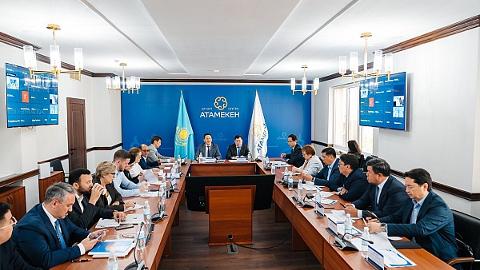
The Grain Union of Kazakhstan discusses VAT amendments with government agencies. Comments are accepted until August 7, 2026.
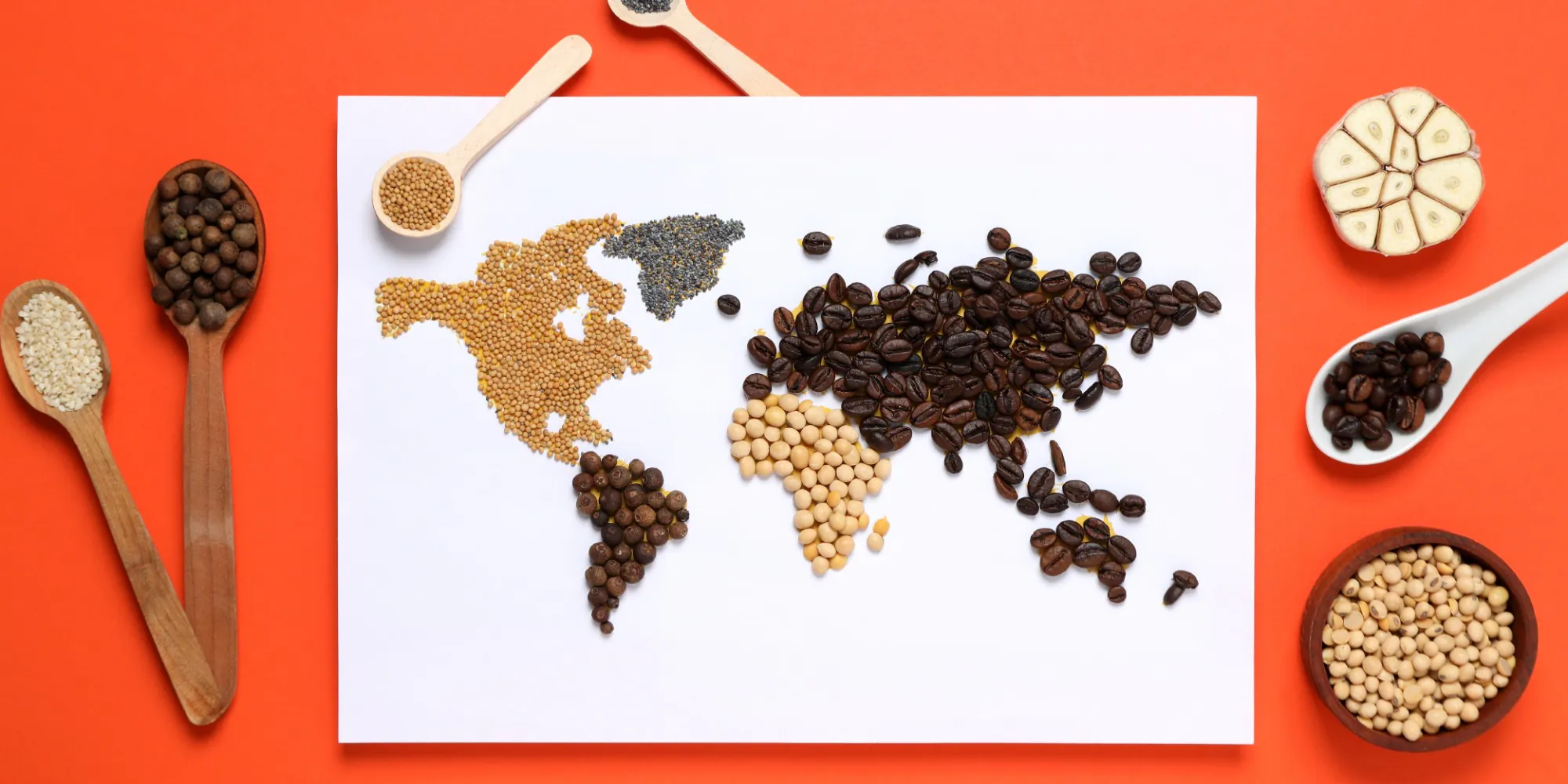
The digest of foreign media from "Agroexport" provides an overview of recent developments in global agriculture, including changes in grain production, hunger rates, and trade policies.

The meeting in Nalchik discussed digitalization of the agro-industrial complex in the North Caucasus Federal District, focusing on experience exchange and joint solution development.
Rosselkhoznadzor's subordinate body issued guidelines for controlling Sosnowsky's hogweed on farmland, focusing on seasonal and integrated approaches to reduce crop damage.
Rosselkhoznadzor has expanded the list of Russian suppliers of live crabs to China, allowing three fishing vessels to export their products.
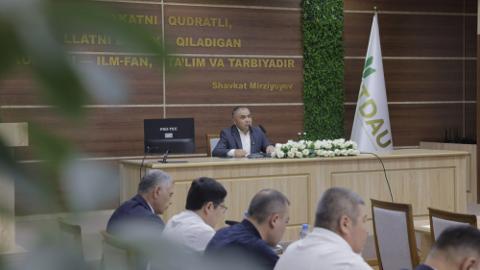
The Collegium meeting emphasized the importance of results, responsibility, and executive discipline.

Cooperation between Uzbekistan and Jordan in the field of agriculture enters a new stage.

China's summer crops progress favorably. Cotton, soybeans, and rice were planted between March and May.